You wouldn’t spend time in the sun without protecting your skin—but what about your hair?
UV rays don't just fade your hair color. Over time, they can break down your hair's natural protective barrier, weaken its internal structure, and leave strands looking dry, dull, and more prone to frizz.
According to Color Wow Chief Chemist, Dr. Joe Cincotta, protecting your hair from the sun isn't just about preserving color—it's about maintaining the health and integrity of every strand.

"People often think about protecting their skin from UV rays, but hair is exposed to the same sunlight every day," says Dr. Joe.
"Unlike skin, hair can't repair itself once it's been damaged, which is why prevention is always your best defence."
The good news? With the right daily habits and targeted hair care, you can help minimize UV damage, keep your hair healthier-looking, and protect your color from fading too fast.
Here's Dr. Joe's guide to how to protect your hair from the sun.
What Does the Sun Actually Do to Your Hair?
When we think of how the sun affects your hair, color fade usually comes to mind.
But according to Dr. Joe, prolonged UV exposure affects three different parts of every hair strand: its natural protective surface, its internal protein structure, and its color.
That’s why hair can feel so different after weeks of sunshine.
1 UV Rays Break Down Hair's Natural Protective Lipid Layer
When your hair is optimally strong, supple, and healthy-looking, every strand is coated with a super-thin, naturally occurring fatty acid layer known as the 18-MEA lipid layer.

This microscopic coating helps preserve the hair fiber’s integrity and has three vital functions:
- Acts as a moisture barrier, helping seal hydration into the hair while reducing the effects of humidity
- Creates a smooth, polished surface that reflects light for healthy-looking shine
- Provides natural lubrication and slip, allowing strands to move freely with softness and flexibility.
"I think of the lipid layer as your hair's natural weatherproof coating," says Dr. Joe. "When UV rays gradually break it down, moisture escapes more easily, the
cuticle becomes rougher and the hair loses its natural softness and shine."

Hair becomes increasingly dehydrated, the cuticle lifts, friction between strands increases, and the smooth, reflective surface that makes your hair glossy gradually disappears. That's why prolonged sun exposure often leaves hair feeling dry, rough, stiff, frizzy, and dull.
2 UV Rays Gradually Weaken Hair's Internal Proteins
The internal structure is what gives your hair its strength.

Hair is made primarily of keratin proteins, which provide the strength, flexibility, and elasticity that hair needs to bend without breaking.
According to Dr. Joe, UVB rays gradually weaken these keratin proteins, making hair less resilient over time.
"Once these proteins begin to degrade, hair becomes increasingly fragile," he explains. "You may notice more
breakage,
split ends, and hair that simply doesn't feel as strong or healthy as it once did."
Unlike skin, hair can’t regenerate damaged proteins. Once that damage is done, it’s permanent.
Reparative treatments can reinforce the hair fiber, improve flexibility, and help strengthen weakened strands. But preventing unnecessary UV damage is still the most effective long-term strategy.
3 UV Exposure Changes Both Natural and Color-Treated Hair
Many people notice their hair color looks different after spending time in the sun. But it’s not simply because the sun "lightened" your hair.

According to Dr. Joe, UV rays affect both your natural pigment (melanin) and the color molecules deposited during coloring services.
Dark hair naturally contains higher levels of melanin, giving it slightly greater natural protection against UV exposure.
Blonde and light brown hair have less melanin, making them more susceptible to lightening and environmental damage.
Color-treated hair is especially vulnerable. UV rays accelerate chemical reactions that break down artificial color molecules, leading to early fading, brassiness, and dullness.
"
Color fade is often one of the earliest visible signs of repeated UV exposure," says Dr. Joe. "Protecting the surface of the hair and minimizing unnecessary exposure helps preserve the richness and clarity of your color."
Why Everyday Sun Exposure Matters
One of the biggest misconceptions about UV damage is that it only happens on vacation.
"People often underestimate the cumulative effect of UV exposure," says Dr. Joe. "It's the repeated, everyday exposure that slowly breaks down the hair's natural protective systems over time."
That's why learning how to protect your hair from UV rays shouldn't just be part of your sunny vacation routine—it should be part of your everyday hair care routine.
How to Protect Your Hair from Sun Damage: Dr. Joe's Four-Step Approach
Because UV damage happens over time, protecting your hair isn't about one miracle product.
It's about combining good hair habits with products that help keep your hair in its healthiest condition. Here's the routine Dr. Joe recommends.
Step 1: Keep Your Hair Clean and Healthy
Healthy hair is better equipped to handle environmental stress. During warmer weather, your hair accumulates more sweat, sunscreen, pollution, styling products, and environmental debris.
If these residues are left behind, they can leave your hair looking dull, feeling heavy, and resistant to styling products.
Dr. Joe recommends starting with a residue-free wash routine.
1 Color Security Shampoo

Color Security Shampoo is uniquely formulated without sulfates or the "stay-behind" ingredients commonly found in traditional shampoos, like silicones, conditioning agents, thickening ingredients and oils.
2 Color Security Conditioner

Follow with Color Security Conditioner, available for Fine to Normal or Normal to Thick hair.
A clean, residue-free foundation allows the rest of your hair care routine to perform at its best.
Step 2: Repair Damage Before It Builds Up
Every sunny walk, outside lunch, and long day at the beach creates small amounts of wear to the hair's protective surface.
That's why maintaining the condition of the cuticle is an important part of protecting your hair from long-term environmental stress.
3 Dreaming Advanced Repair & Resurfacing Treatment Mask

Dreaming is designed to visibly repair and resurface damaged strands by smoothing and sealing the cuticle while improving resistance to humidity.
Step 3: Choose Styling Products That Provide UV Protection Against Color Fade
Unlike skincare, hair doesn’t have a standardized or regulated SPF system.
"No styling product can completely prevent sun damage during prolonged UV exposure," explains Dr. Joe. "However, certain formulas contain UV-absorbing ingredients that help provide UV protection against color fade as part of an overall hair care routine."
Ingredients such as Ethylhexyl Salicylate and Octyl Salicylate help minimize the breakdown of color molecules caused by repeated UV exposure.
They won't completely prevent sun damage, but they provide an additional layer of defense to help preserve color vibrancy. Here are Dr. Joe's recommendations.
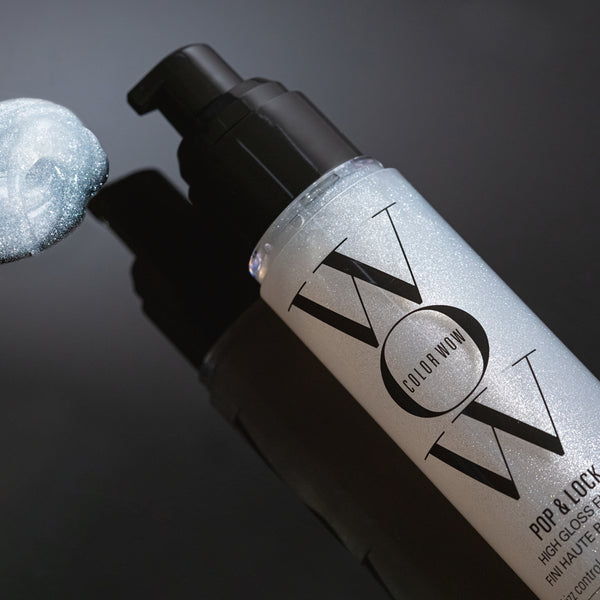
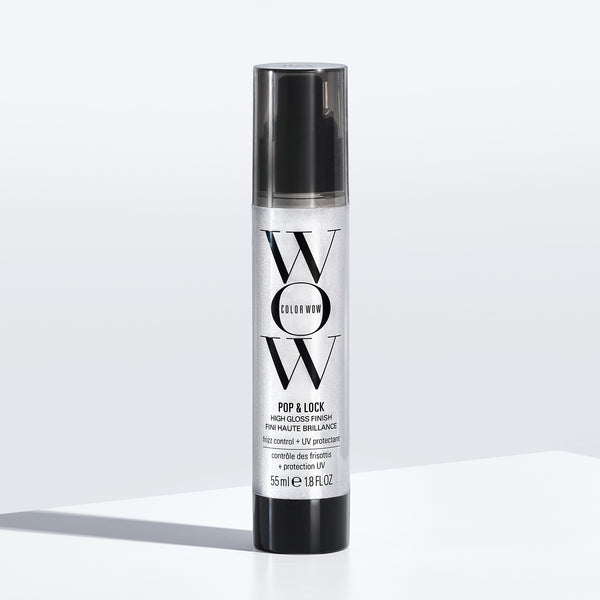
4 Pop & Lock High Gloss Finish

Pop & Lock, a unique serum-oil hybrid, works both inside and outside the hair fiber.
The oil penetrates to help improve softness and elasticity, while the serum smooths the cuticle, enhancing light reflection for mirror-like shine. It also provides UV protection against color fade.
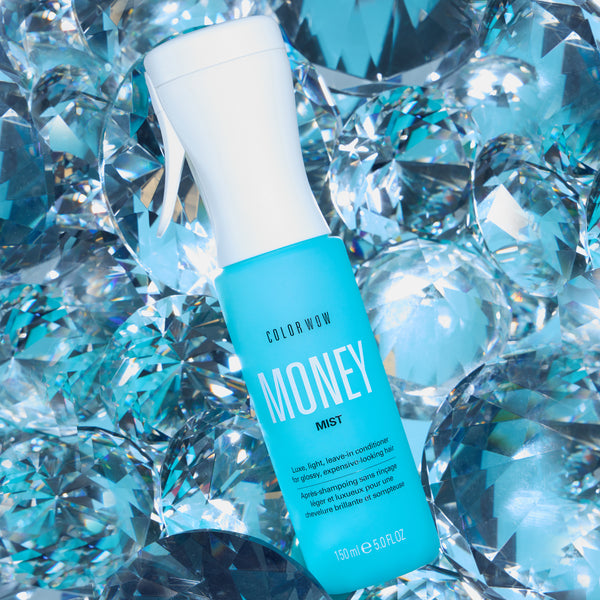
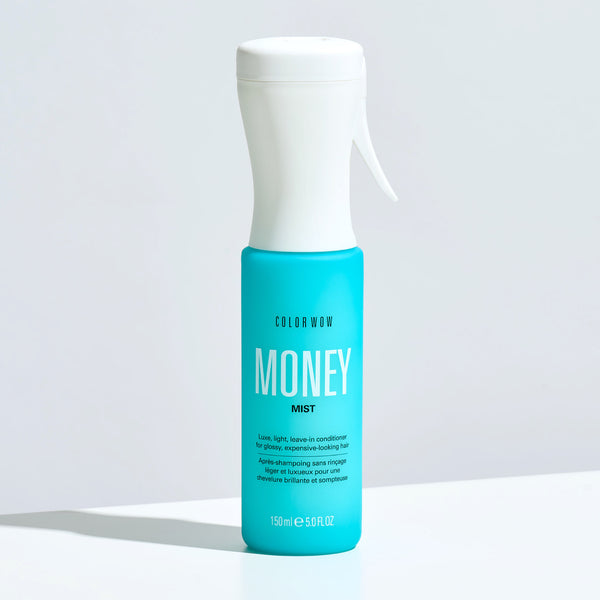
5 Money Mist Leave-In Conditioner

Money Mist leave-in spray hydrates, detangles, strengthens, and improves manageability while providing UV protection against color fade.
The lightweight formula leaves hair silky, glossy, and effortlessly manageable—without ever weighing it down.
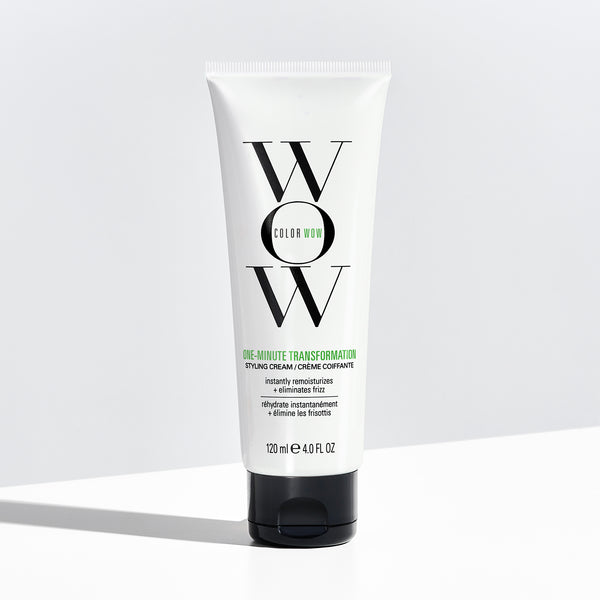
6 One-Minute Transformation

One-Minute Transformation instantly smooths the hair's surface while providing UV protection against color fade.
Keep it in your handbag or beach bag for easy touch-ups throughout the day.
Step 4: Support Your Hair with Smart Sun Habits
Products are only one part of protecting your hair from the sun.
According to Dr. Joe, everyday habits make just as much difference.
1 Wear a hat during prolonged sun exposure
A wide-brimmed hat is one of the easiest ways to reduce direct UV exposure to both your scalp and your hair.
2 Rinse hair after swimming
Salt water and chlorine can leave hair feeling rough and dehydrated. Rinsing your hair with fresh water as soon as possible helps minimize their effects.
3 Keep hair hydrated
Healthy, well-conditioned hair is better able to withstand environmental stress than hair that's already dry or damaged.
4 Be mindful of heat styling
Your hair is already exposed to environmental stress after a long day outside. Consider lowering the temperature of your styling tools or allowing hair to air dry where possible.
5 Think about everyday exposure—not just holidays
Most people think about protecting their hair at the beach, but it's really the small bursts of daily exposure that change your hair's condition over time.
How Do You Know If Your Hair is Sun-Damaged?
Because UV damage happens gradually, it can be difficult to recognize at first.
Look out for these common signs of UV damage:
-
Hair feels rough, dry or straw-like
-
Your color fades faster than expected
-
Blonde hair develops unwanted brassiness
-
Hair loses its natural shine
-
Frizz and flyaways become more noticeable
-
Split ends and breakage increase
-
Hair feels less soft and more difficult to style
If several of these signs sound familiar, your hair could likely benefit from a routine focused on repairing damage and helping protect color from future UV exposure.
Frequently Asked Questions
How do I protect my hair from the sun?
The best approach combines healthy hair habits with physical protection and the right hair care routine.
Wearing a hat during prolonged sun exposure, keeping hair well conditioned, rinsing after swimming, and choosing products that provide UV protection against color fade can all help preserve healthier-looking hair and longer-lasting color.
Can the sun permanently damage hair?
Yes. According to Dr. Joe, once UV exposure breaks down the hair's lipid layer, weakens keratin proteins, or degrades color molecules, those changes are permanent.
While reparative treatments can improve the appearance and condition of damaged hair, preventing unnecessary damage is always the best long-term strategy.
Does the sun make color-treated hair fade faster?
Yes. UV rays accelerate chemical reactions that break down deposited color molecules, making color-treated hair more susceptible to fading and brassiness than untreated hair.
Is there sunscreen for hair?
There is currently no standardized or regulated sunscreen or SPF system for hair.
However, certain styling formulas contain UV-absorbing ingredients that provide UV protection against color fade, helping support color longevity as part of a broader hair care routine.
Does cloudy weather protect your hair from UV rays?
Not entirely. UV rays can still reach your hair on overcast days. So protecting your hair shouldn't be limited to bright sunshine or summer vacations.
Protect Your Hair Today for Healthier Hair Tomorrow
Knowing how to protect your hair from sun damage isn't about avoiding the outdoors.
It's about understanding what UV exposure does to your hair and taking simple, consistent steps to minimize the effects.

By keeping your hair healthy, maintaining a smooth cuticle, repairing damage before it accumulates, choosing styling products that provide UV protection against color fade, and adopting a few everyday habits, you can help preserve stronger, shinier, more vibrant-looking hair throughout the year.
Because protecting your hair from the sun today means healthier-looking hair tomorrow.
Read More on the Color Wow Blog